
PAY IT
FORWARD
the many benefits of combining Winter Energy Payments into a lump sum for solar
The Winter Energy Payment (WEP) was established in 2018 and is paid automatically to those who are eligible - like pensioners, beneficiaries and others on fixed incomes - from 1 May to 1 October every year.
in 2025, the payments reached
ALMOST
ONE MILLION
people, at a cost to the Government of
$527 MILLION

approximately 500,000
WEP recipients are in owner-occupied homes
but the money is...

NOT TIED TO ENERGY
it is not directly tied to electricity or energy costs, which means it can be spent on anything

NOT MEANS TESTED
so many who don't need it still receive it
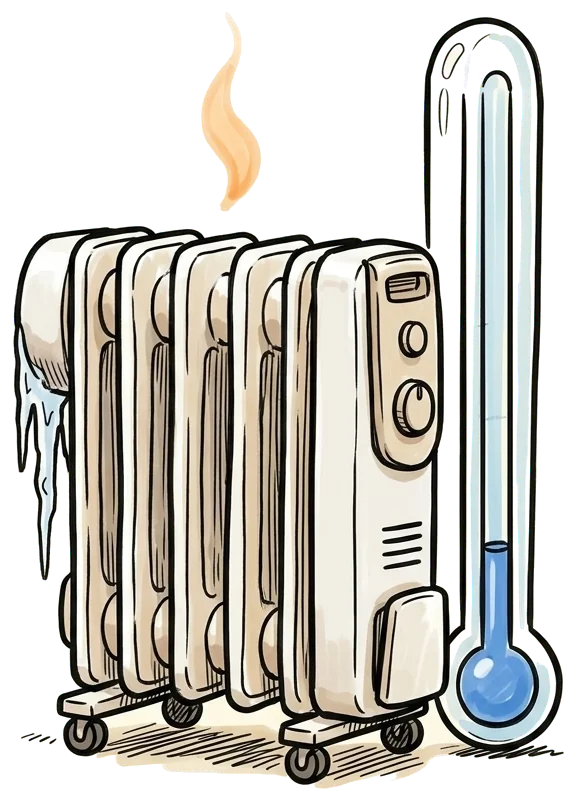
BUYING LESS WARMTH
every year as the price of energy increases

PAID AGAIN NEXT WINTER
and every winter after that, to an increasing number of people in our ageing country
in the same year, the Government was given back
approximately $583
MILLION
in dividends from its 51% stake in the three power companies Genesis, Mercury and Meridian
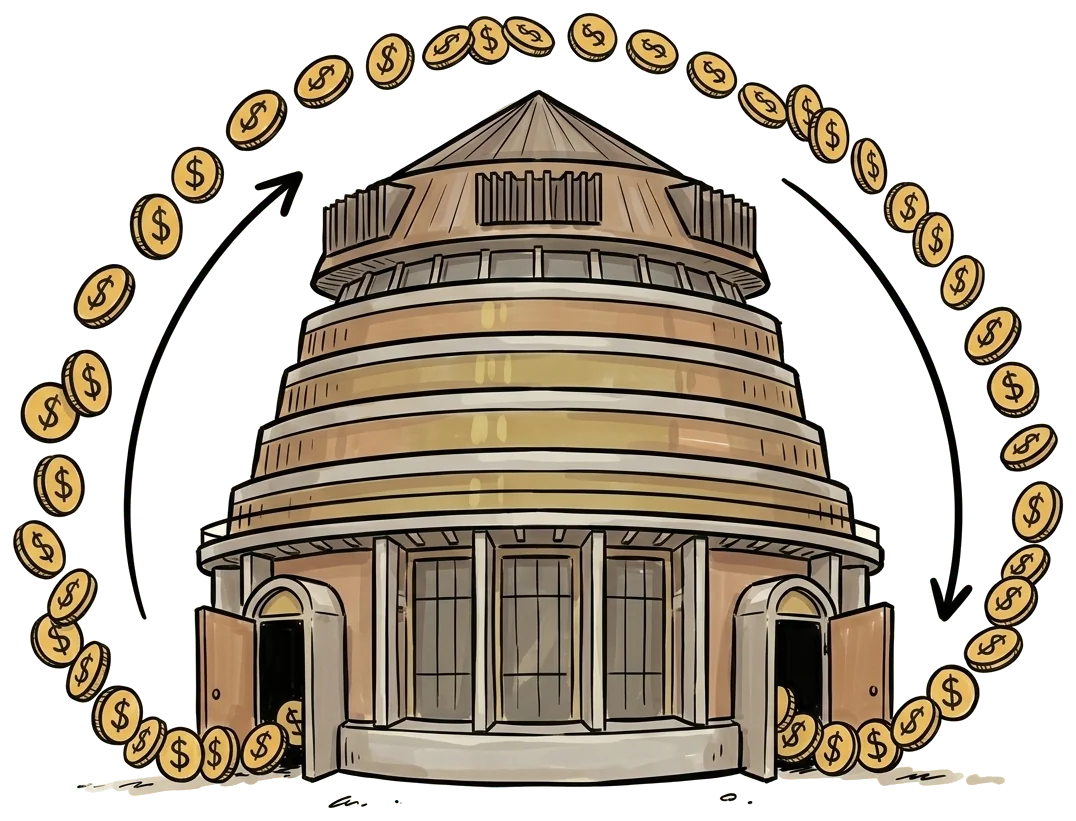
So this money is basically going in one door and out the other.
the rate has not been increased since
2018
apart from a one-off doubling in 2020 as a COVID measure, which was reversed the following winter
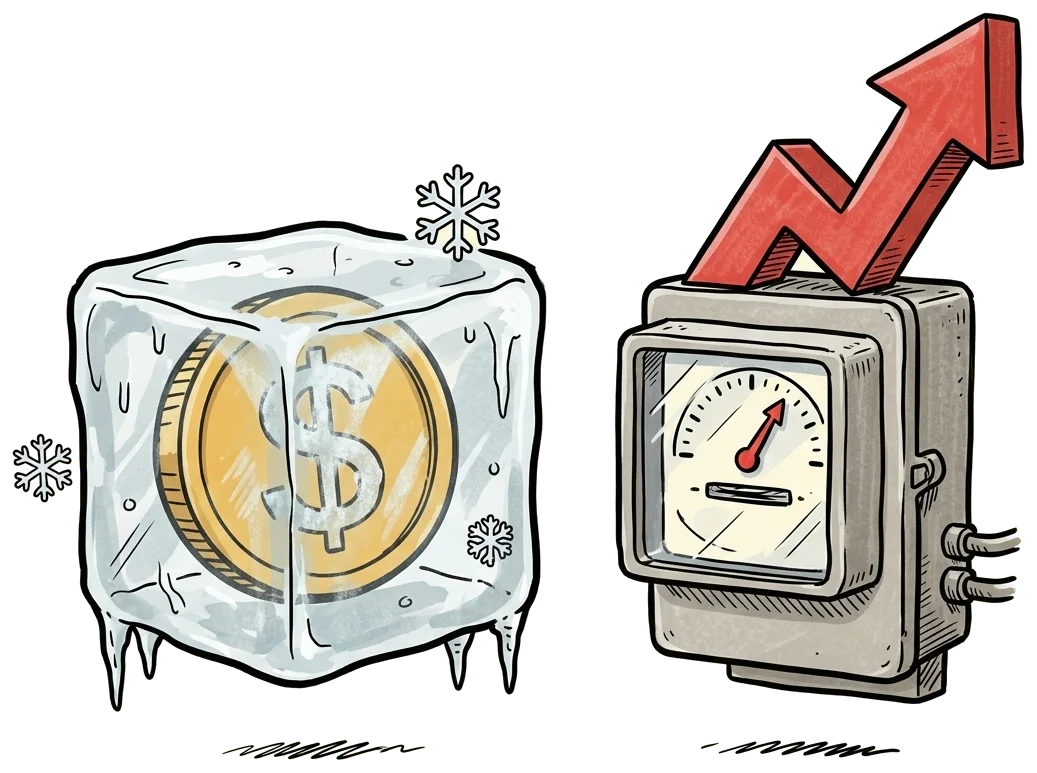
household energy costs rose
ABOUT 30%
between 2018 and 2025
11%
gas, up year on year
9%
electricity, up year on year
16%
further rise projected for residential prices, in real terms, to 2029
those on lower incomes spend a higher proportion of their income on electricity and fuel
and are less able to deal with increases
percentage of disposable income spent on energy and transport, by income group
household energytransport
28.4%
13.1%
9.5%
8.8%
7.5%
3.5x
lowest income homes
low - middle
middle income homes
middle - high
high income homes
energy poverty researchers and Rewiring Aotearoa think there is a need for an off-ramp. Enter the
ENERGY FREEDOM
PAYMENT
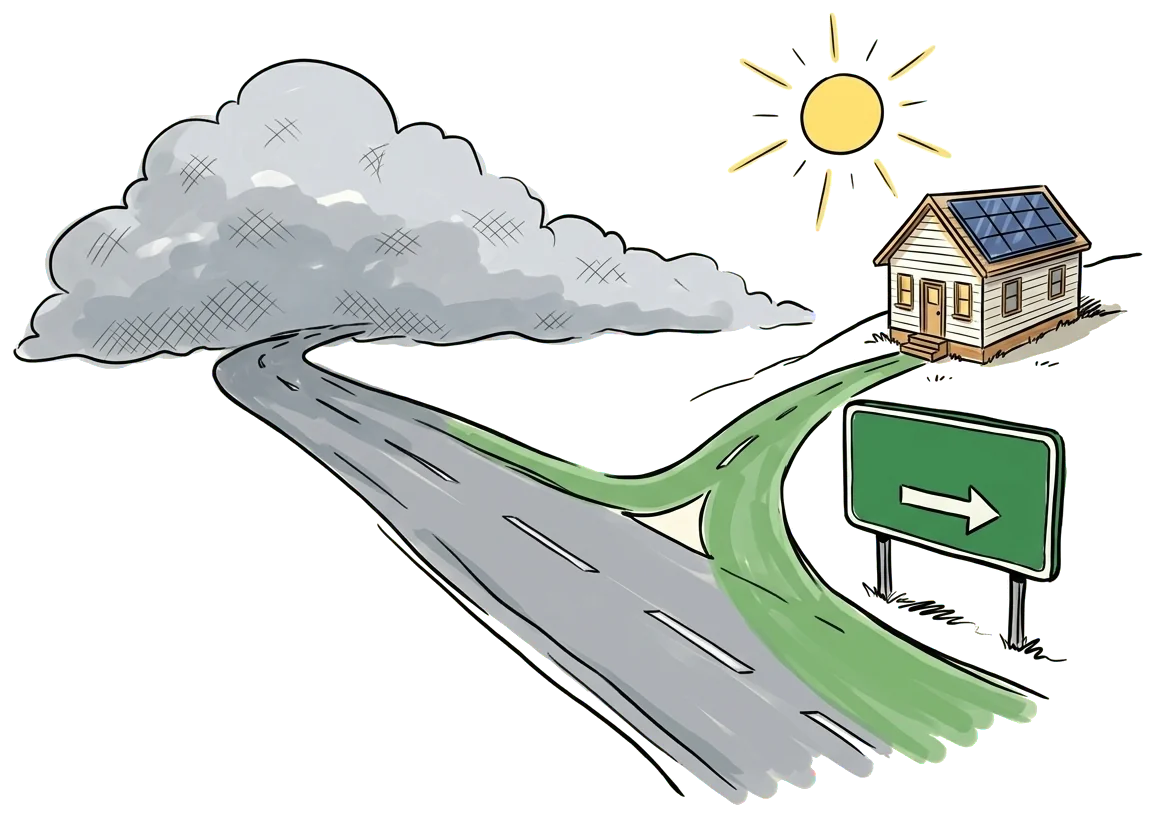
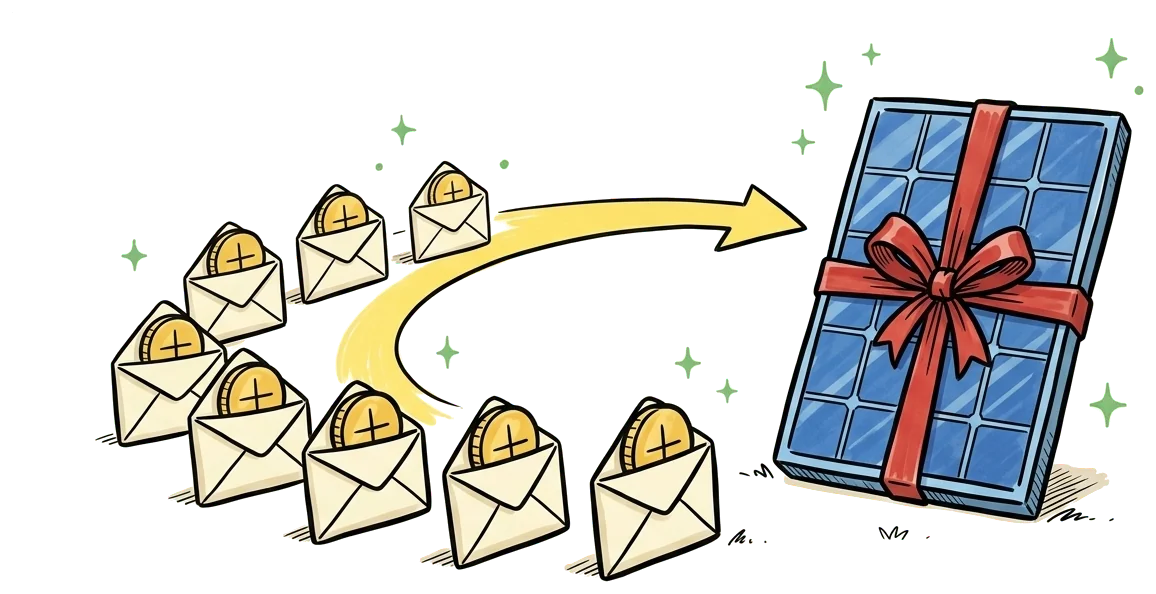
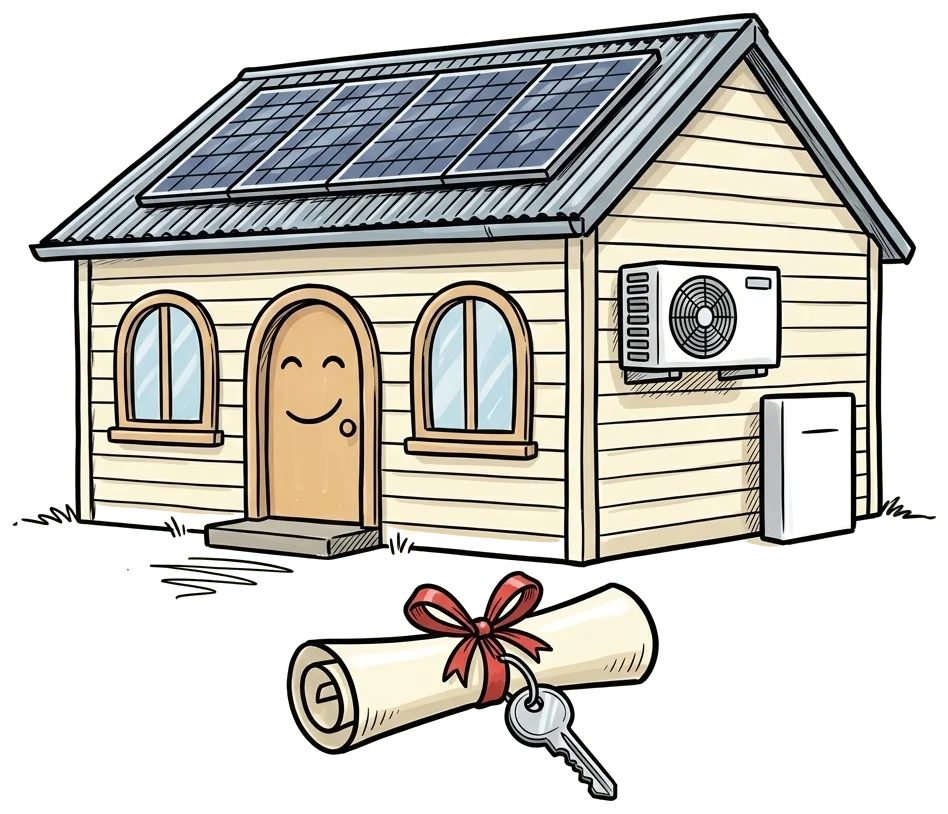
For a household in a suitable home, combining annual payments into a lump sum to invest in solar and/or a battery would permanently and substantially reduce their bills by a lot more than the annual payment it replaces.
how it would work
the payment would not go to the household as it does currently
it would go directly to an accredited provider to pay for an install
that home would then be removed from the WEP scheme
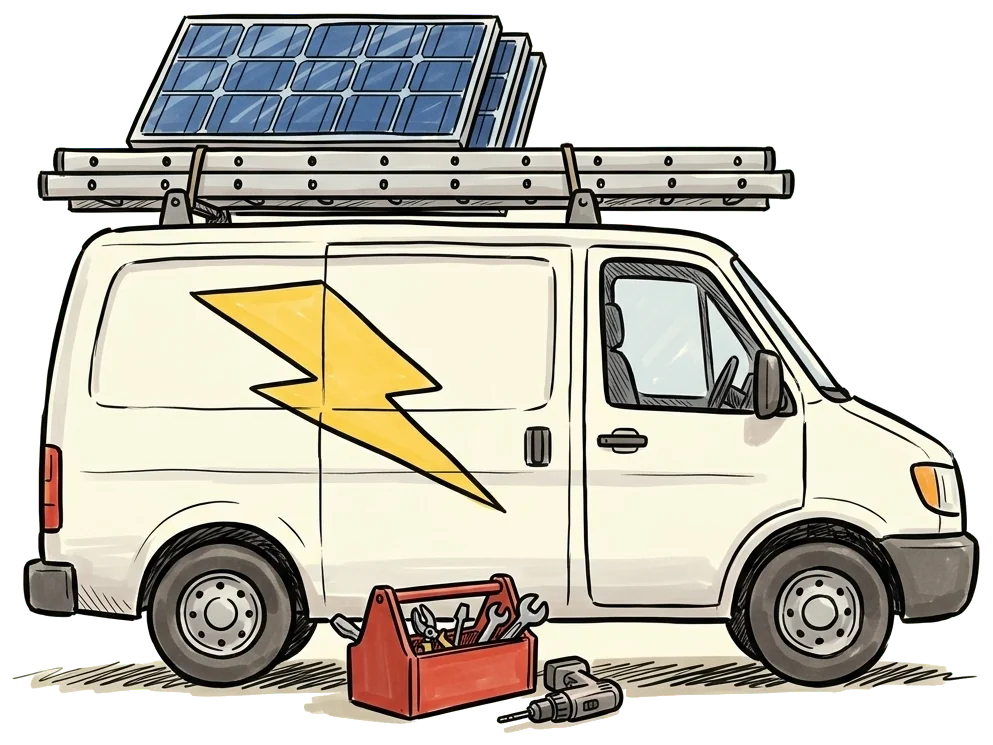
supercharge it with the proposed
RATEPAYER
ASSISTANCE SCHEME
A low-interest, long-term loan would allow households to increase the size of the system and increase their savings over time.
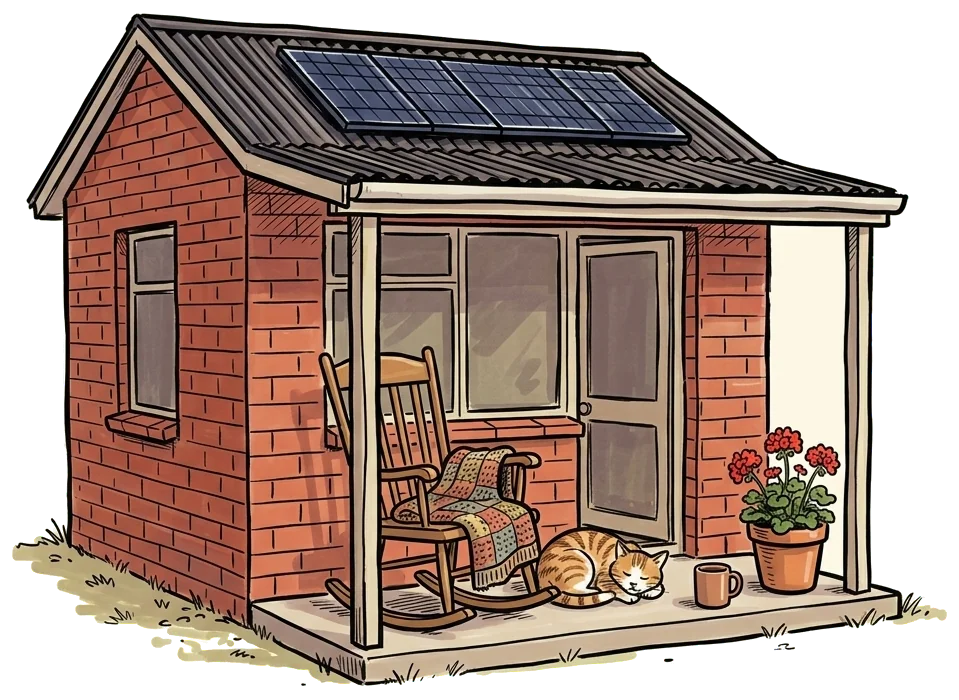
A RETIRED COUPLE IN DARGAVILLE
now: the WEP, paid 1 May to 1 October
Energy Freedom Payment: 8 years of WEP payments combined, 3kW of solar
plus a RAS loan for 7kW, repaid as they go: more than double the WEP
($543 over WEP months)
plus a RAS loan for 7kW, deferred until sale: nearly three times the WEP
($734 over WEP months)
If they defer RAS repayments then move out after 10 years, approximately $5,600 would be repaid at sale of the property, versus the more than $19,000 that would have been saved in that time.
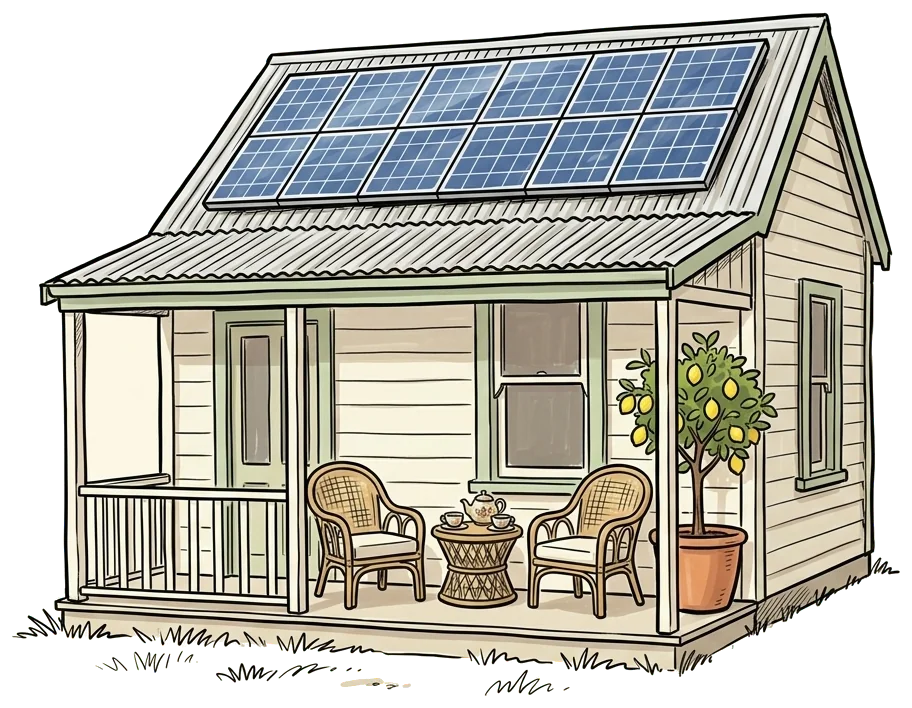
A SINGLE RETIRED PERSON IN DARGAVILLE
now: the WEP, paid 1 May to 1 October
Energy Freedom Payment: 8 years of WEP payments combined, 2kW of solar
plus a RAS loan for 5kW, repaid as they go
($411 over WEP months)
plus a RAS loan for 5kW, deferred until sale
($553 over WEP months)
If they defer repayment of the loan then move out after 10 years, approximately $7,000 would be repaid at sale of the property, versus the more than $11,000 that has been saved in that time.
around one third of New Zealanders rent, but
approximately HALF
of New Zealand tenancies end within two years
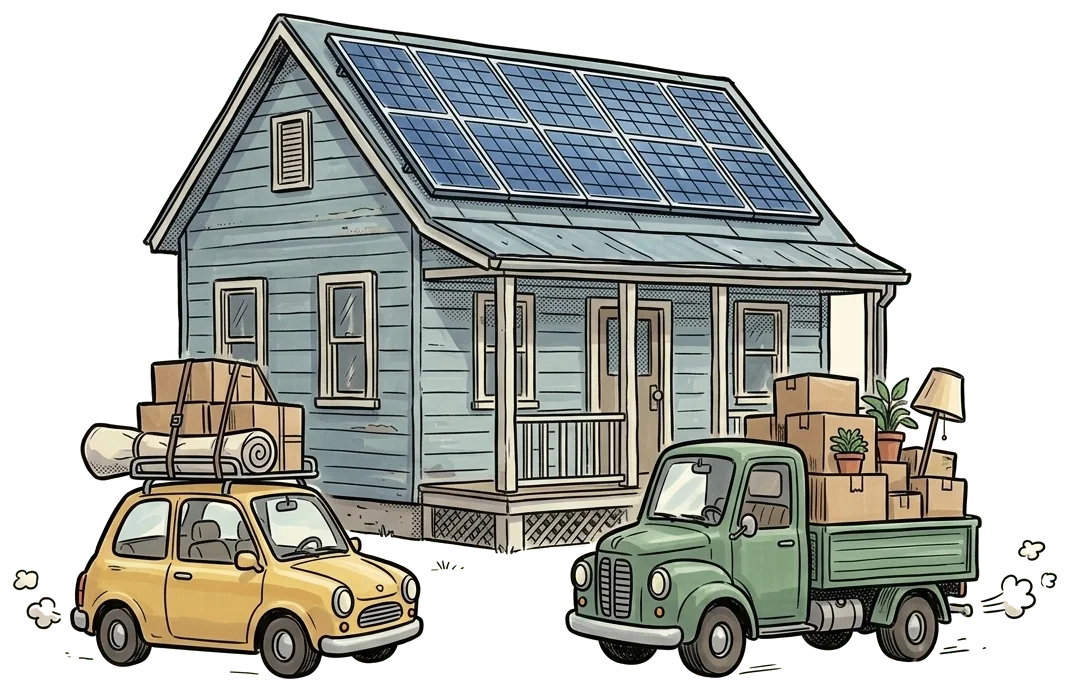
a payment made to a tenant churns with the tenant, whereas a solar array stays on the roof for
30 YEARS
and cuts the bill of every household that lives there afterwards
retired renters are projected to more than double
approximately 300,000
in 2022
600,000+
by 2048
The Energy Freedom Payment would work particularly well for them as they will all be eligible for the annual payment.
using the 'base case' of
10,750 HOMES
taking up the Energy Freedom Payment every year, after 30 years:
approximately $1
BILLION
the Government would be better off
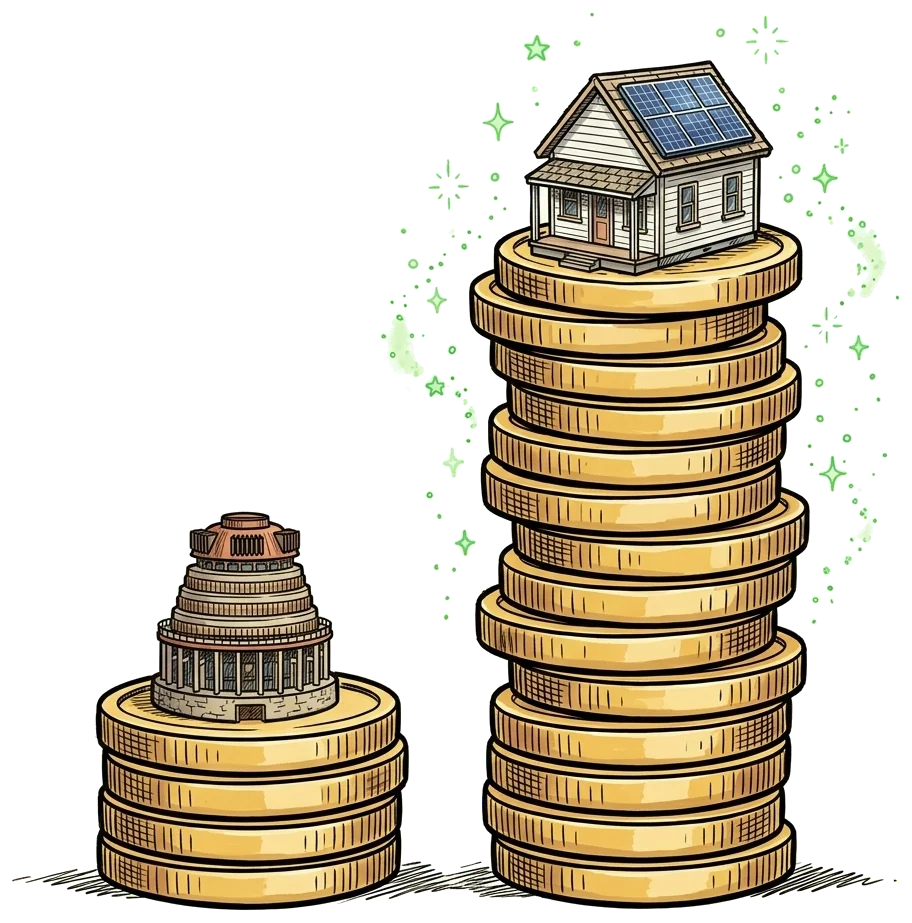
approximately $4.7
BILLION
households would have saved on their power bills
there is a precedent: New South Wales let low-income homeowners give up their
$285-A-YEAR
Low Income Household Rebate for ten years in exchange for a fully installed 3 kW solar system
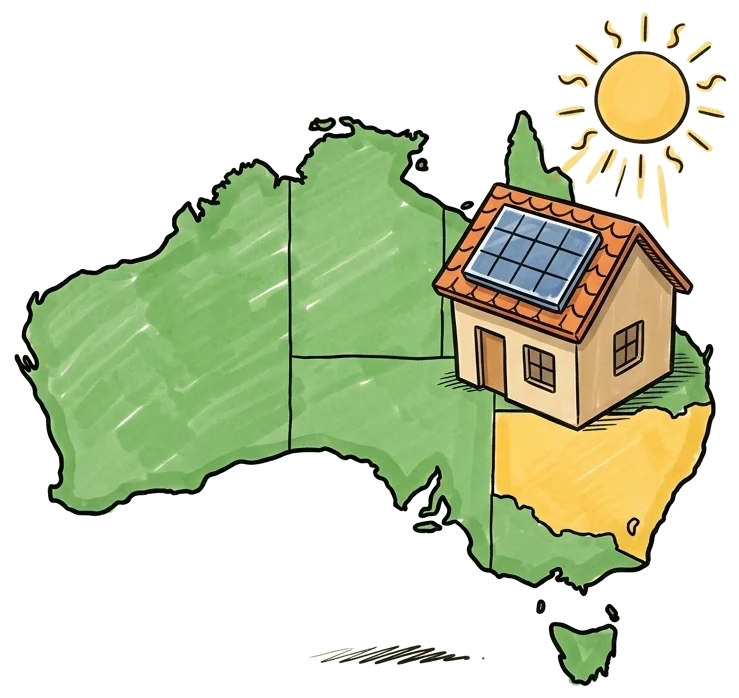
approximately $600 A YEAR
roughly doubling their bill savings
2,700 households took it up and, while successful, the scheme remained small.
gentailers could top up the fund and it would be in their interests to do so
approximately 140,000
households borrowed to pay a power bill last year
approximately 38,000
were disconnected at least once
CLOSE TO
A THIRD
of households are classified as being in energy hardship, according to the most recent numbers available from MBIE
the four gentailers had operating earnings of
$1.86
BILLION
in the six months to December 2025, up 44% on the prior year
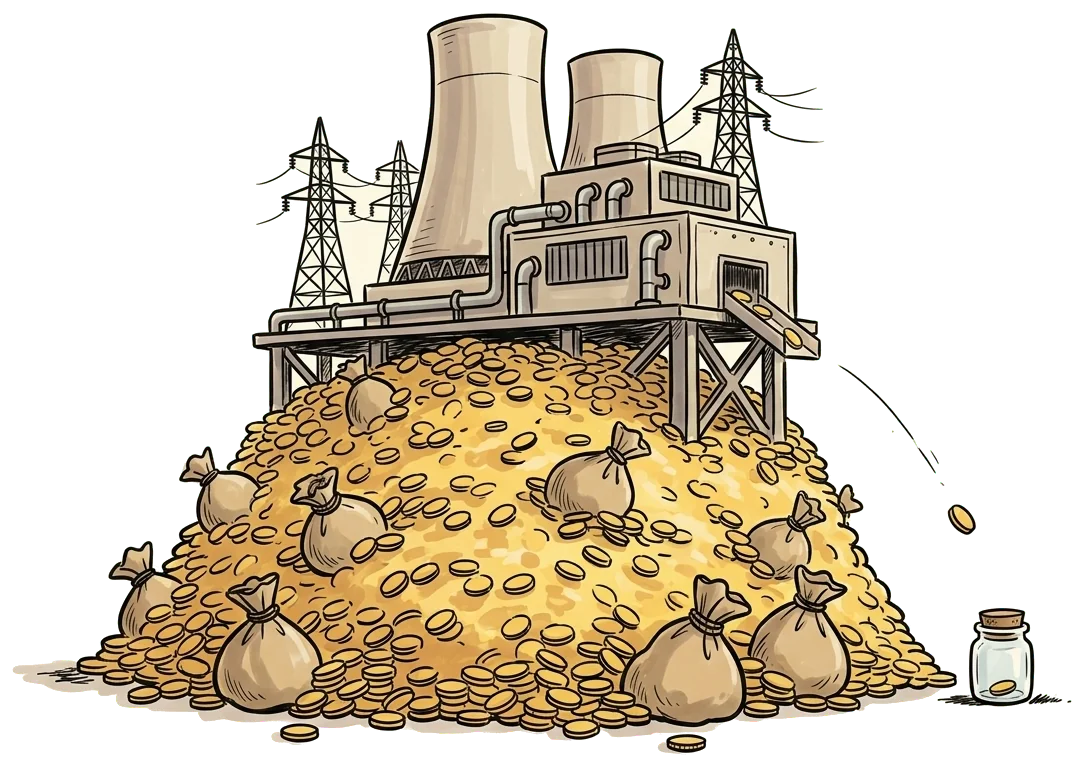
approximately $15 MILLION A YEAR
would be an industry contribution to the fund to help those deemed to be in energy hardship
it's not just savings this scheme would offer
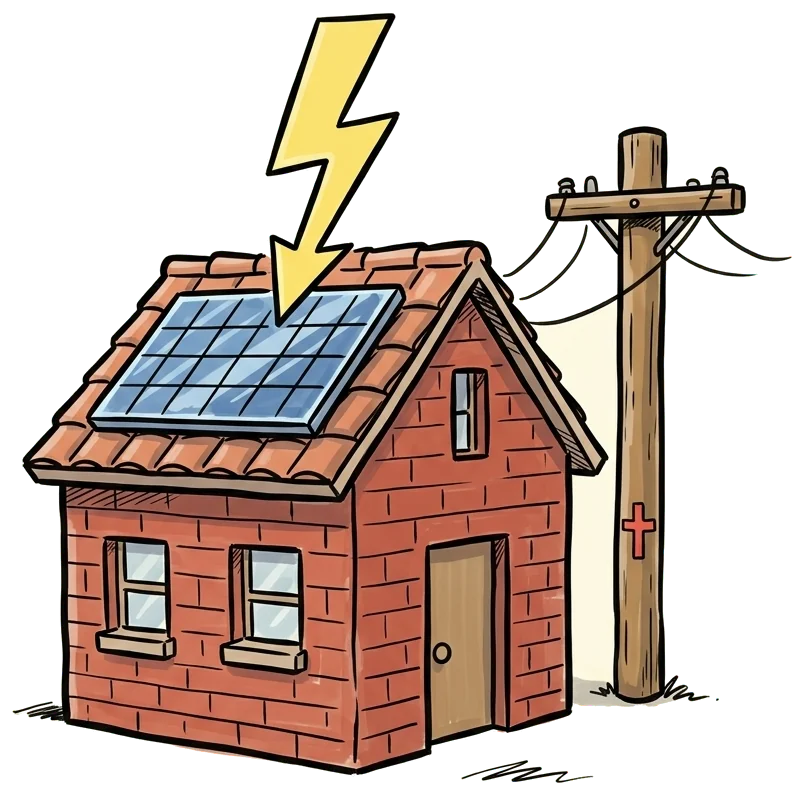
MORE GENERATION
at the source, without the need for expensive upgrades to poles and wires
MORE JOBS
more guaranteed jobs in the regions
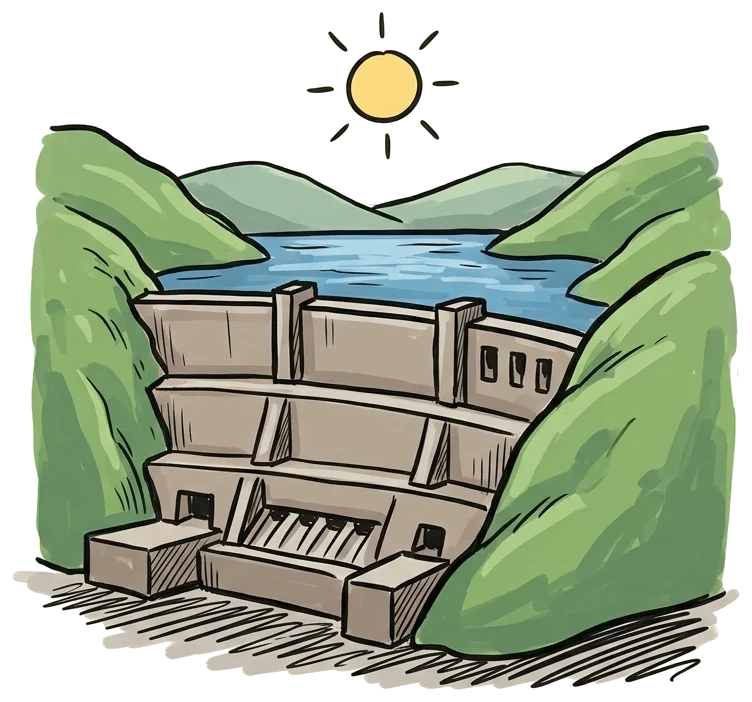
MORE WATER
more solar helps to keep water in our hydro lakes, especially during a dry year
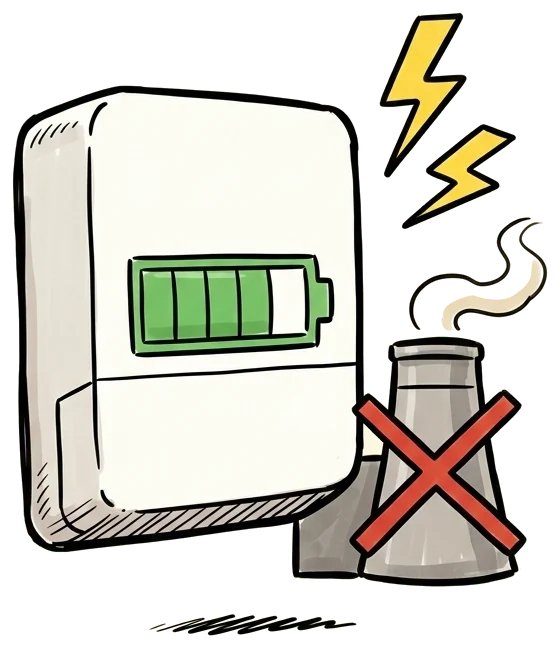
MORE BATTERIES
help reduce the peak load pressure and the need for fossil fuels in the electricity system
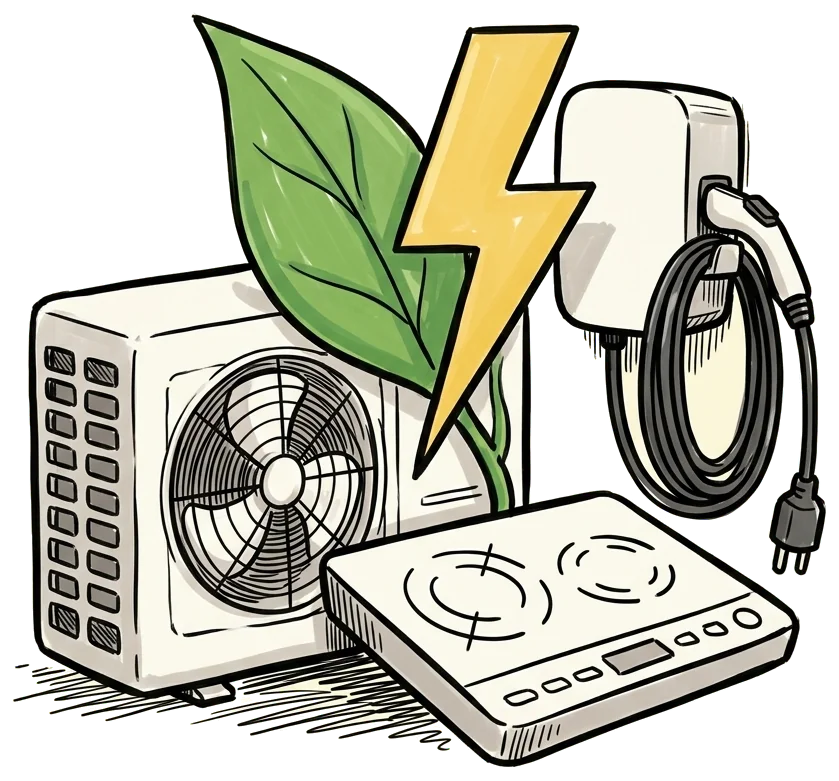
MORE ELECTRIFICATION
solar often leads to further household electrification, which reduces emissions
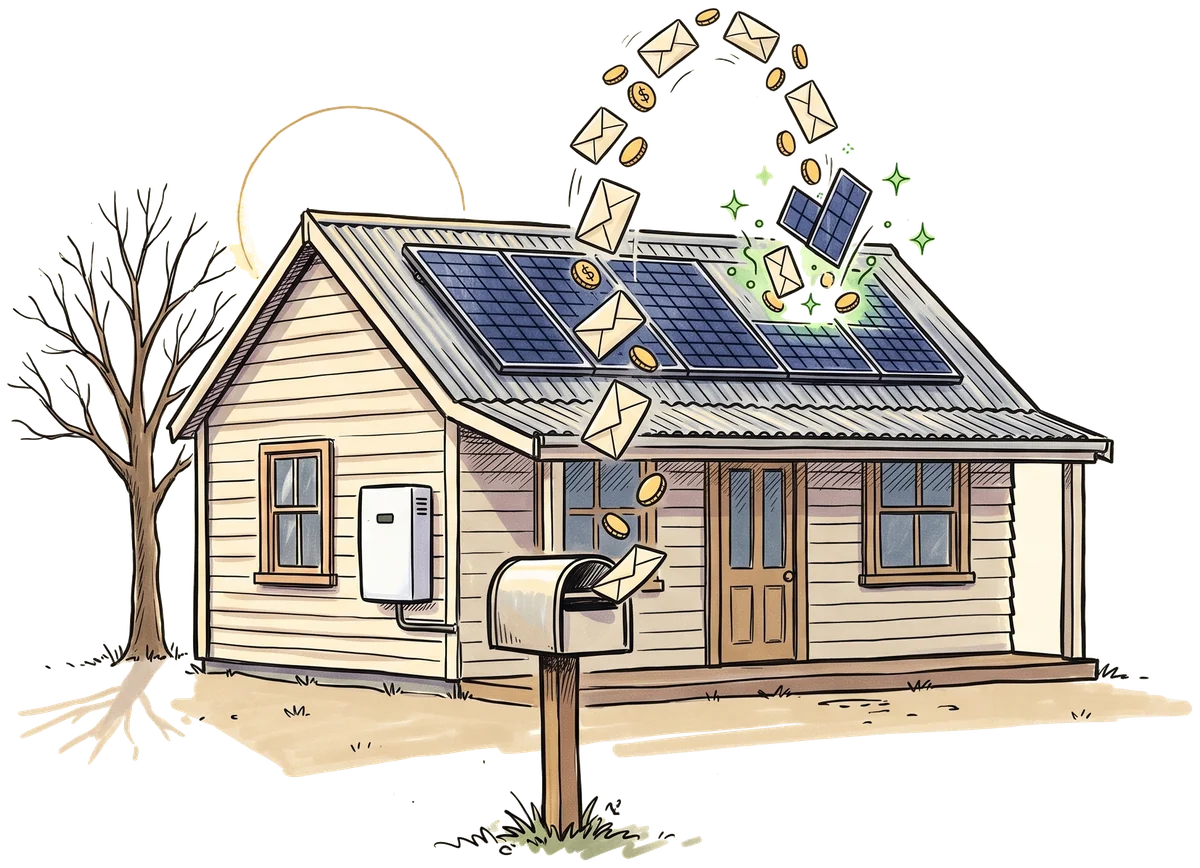
PAY IT FORWARD
better for households, better for the energy system and better for the Government
